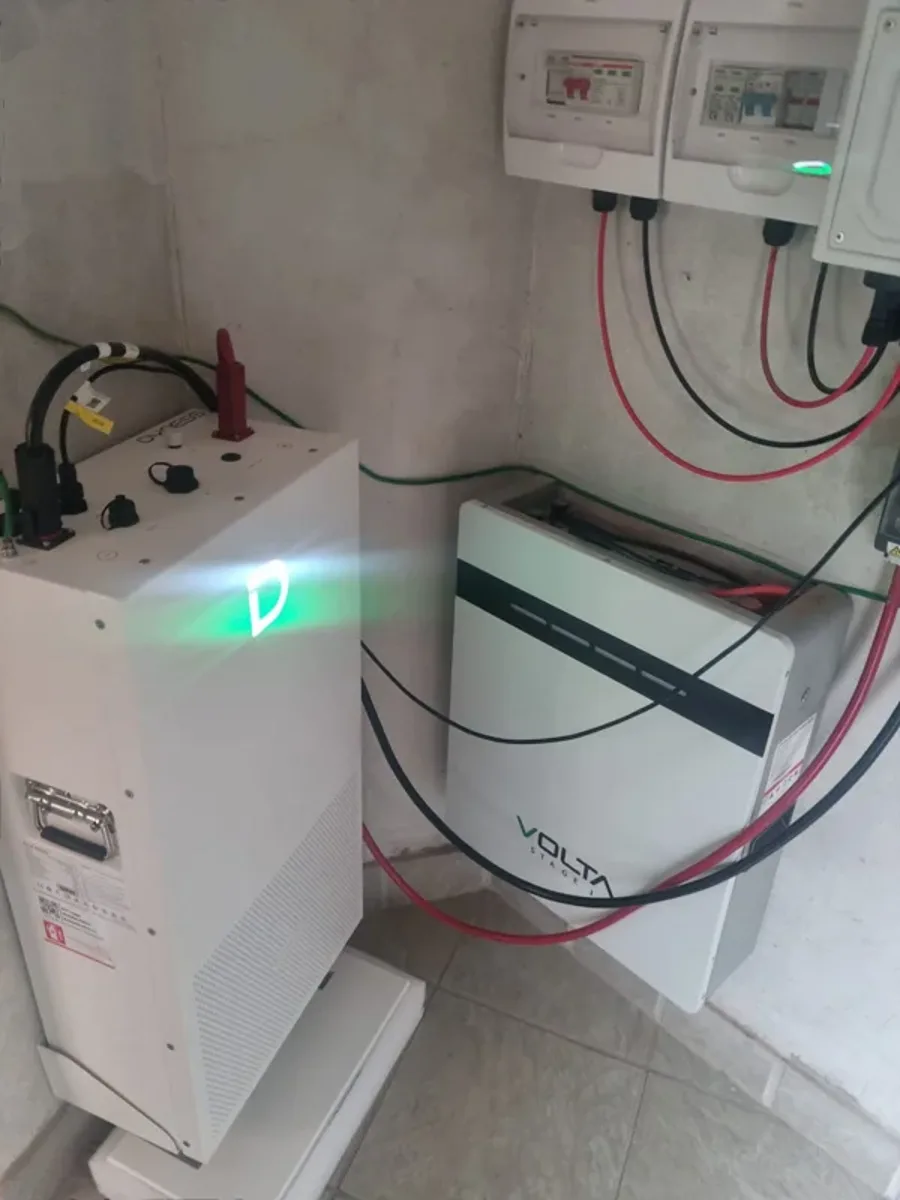
How do I estimate the home battery size I need?
Start by listing the circuits you need during an outage and how many hours each should run. An appropriately registered electrical professional can use those loads to model usable battery energy, inverter power and recharge. The right system depends on your actual appliances, outage duration and installation; home size alone is not enough to choose a battery.
Make a first-pass list of essential loads:
- Lights and plug circuits you need to keep operating.
- Refrigeration, internet equipment, security systems or pumps that matter to your household.
- How long each load runs and whether it starts with a brief power surge.
- Loads you can switch off during an outage, especially high-demand heating or cooking appliances.
Use appliance labels or manuals where available, but let the designer confirm the electrical values and the circuits the system can support.
What is the difference between battery capacity and inverter power?
Battery capacity describes stored energy; inverter power describes how much electrical load the system can supply at one time. You need enough usable energy for the required runtime and enough continuous and surge power for the appliances connected to the backup circuits.
Ask for a calculation based on your listed loads. It should show the assumptions for usable capacity, reserve settings, conversion losses, starting surges and any solar recharge. A headline kilowatt-hour rating by itself does not tell you which appliances can run together or for how long.
For a broader explanation of home storage options, read SolarPowerGuide's guide to solar batteries and energy storage.
How long will a home battery last during an outage?
Runtime varies with the energy available to the backup circuits and the power those circuits use over time. The same battery may last longer with lights and a router than with additional high-demand appliances; there is no reliable runtime estimate without the system details and your load pattern.
Ask the installer to show expected runtime for your essential-load list, what changes if you add appliances, and what happens when the battery reaches its reserve or runs out. Treat estimates as scenario-based, not as a guarantee for every outage.
What should I compare in home battery quotes?
Compare what each quote will actually deliver: usable energy, continuous and surge power, backed-up circuits, expected runtime, recharge options, equipment models, warranty terms, service support and total installed cost.
Ask each installer to provide a written design and list exclusions, maintenance requirements, monitoring, replacement costs and system limitations. Confirm how the system behaves when grid power fails, when the battery is depleted and when solar generation is available. Comparing the same load list and outage scenario makes quotes more useful.
Who should design and install a home battery system?
Use an appropriately registered electrical professional to assess, design, install, inspect and test the electrical work. Ask who is responsible for the certificate of compliance and commissioning documents, and have the installer explain the backup circuits, protection and operating limits before work begins.
The South African Department of Employment and Labour says electrical work should be done by competent, legally registered electrical contractors and that a registered contractor may issue a Certificate of Compliance after inspection and testing. Read the Department of Employment and Labour notice on electrical work and Certificates of Compliance and confirm requirements for your installation with the registered professional.
What information should I prepare before asking for a quote?
Prepare recent electricity usage if available, a list of essential appliances and circuits, the hours you want them backed up, any existing solar equipment and your main goals. Tell the installer about planned renovations or electrical changes so the proposal can account for the property and the work being considered.
A site assessment is needed to confirm the distribution board, wiring, protection and equipment compatibility. This guide is general planning information and is not a substitute for an electrical design or site inspection.
A real off-grid example from KwaZulu-Natal
SolarPowerGuide's account of Maarten Kronberger's own home describes a 5 kW Deye hybrid inverter, a 16 kWh Dyness battery and ten JA Solar panels at a tree-surrounded KZN property. He says the system was built in stages. This is one household's setup, not a sizing recommendation: a registered electrical professional should design a system around your loads, wiring, site and backup needs. Read the system background and measured data on SolarPowerGuide.